Direct-to-Fan Income Guide for Independent Musicians
Learn how to build direct-to-fan income as an independent musician. Monetize email lists, merch, digital downloads, memberships, and live shows.
By PlaylistProfit Editorial Team · Updated 2026-11-19
Direct-to-fan (D2F) income is revenue generated when listeners purchase products, subscriptions, or experiences directly from an artist rather than through an algorithmic middleman. While streaming services distribute fractions of a cent per stream, direct transactions allow artists to retain the vast majority of gross revenue, collect customer data, and build financial independence. To turn casual music streaming into a viable living, you must treat streaming platforms as top-of-funnel discovery channels and guide those listeners into owned digital spaces where direct commerce can take place.
The Core Channels of Direct-to-Fan Income
A resilient direct-to-fan business model does not rely on a single revenue stream. Instead, it combines high-margin digital products, tangible physical goods, recurring patronage, and live experiences. Understanding the purpose and economics of each channel allows you to prioritize what to build first based on your current audience size.
1. Email Lists and Direct Messaging
An email list is the foundation of direct-to-fan income because it is an owned communication channel. Algorithms on social media platforms decide what percentage of your followers see any given post, and that reach can decline without warning. An email inbox, by contrast, delivers your message directly to the recipient. When an artist announces a tour, drops new merchandise, or launches a pre-order campaign, email consistently delivers higher conversion rates than public social media posts.
2. Physical and Print-on-Demand Merchandise
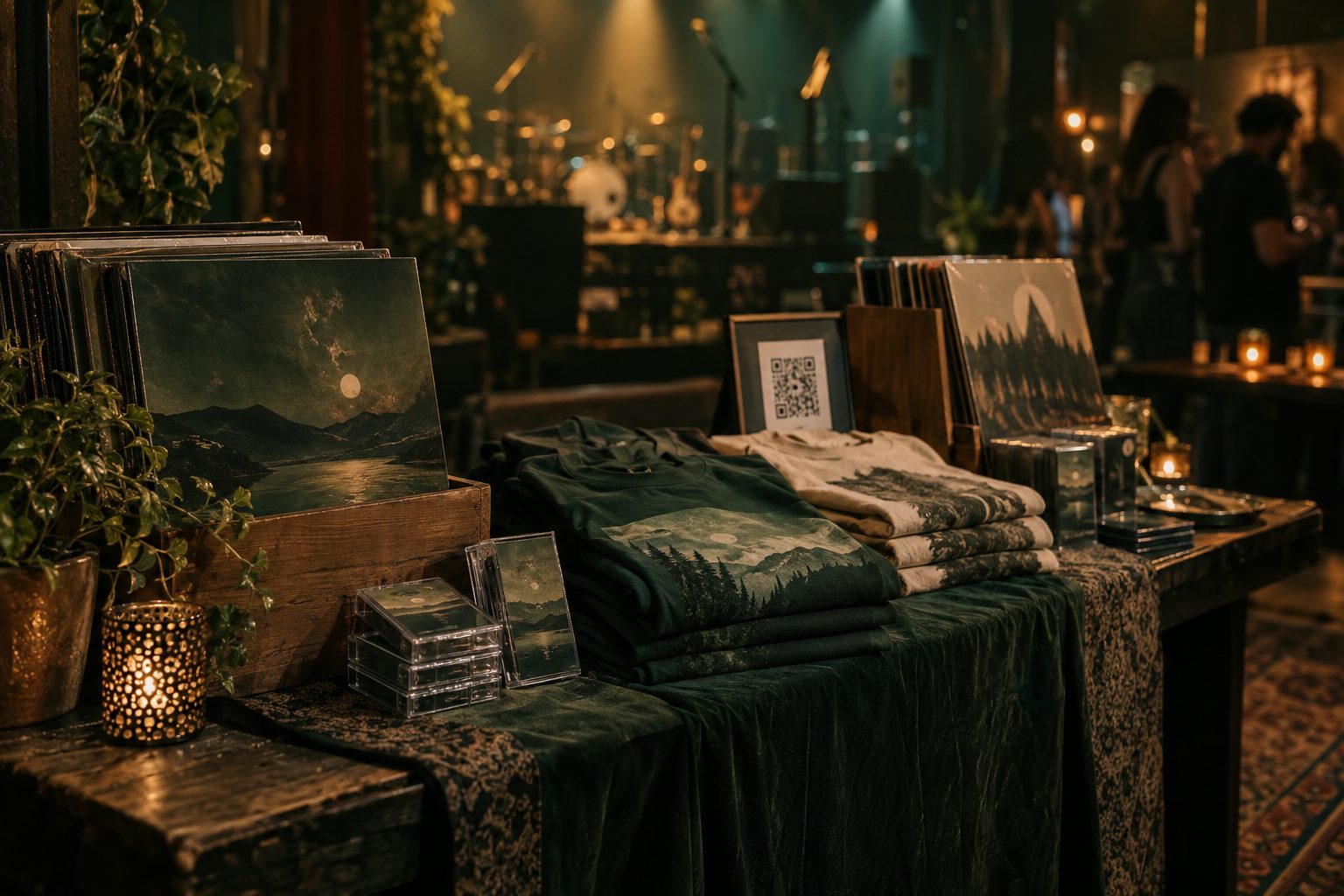
Merchandise remains the most recognizable form of direct support. Physical merchandise bridges the emotional gap between a digital file and a tangible memory. Fans buy apparel, vinyl, cassettes, enamel pins, and posters not simply to own an item, but as an emblem of their identity and connection to your catalog. With print-on-demand services, you no longer need thousands of dollars in upfront capital to offer shirts and prints, while short-run vinyl pressings and limited-edition cassettes can serve your most dedicated physical collectors.
3. Digital Downloads, Stems, and D2C Audio
Platforms like Bandcamp and self-hosted storefronts allow fans to purchase music directly as high-resolution digital files. While digital track sales declined as streaming rose, deliberate direct sales continue to thrive among core music collectors. Expanding digital offerings to include instrumentals, production stems, sample packs, sheet music, and guitar tablature allows you to monetize secondary segments of your audience, such as fellow producers, beatmakers, and musicians.
4. Tipping and Voluntary Support
Direct tipping through platforms like Buy Me a Coffee, Ko-fi, PayPal, or Venmo gives listeners an effortless way to express gratitude. Many fans understand that streaming payouts are low and actively seek low-friction methods to tip artists after discovering a song, watching a live stream, or enjoying a meaningful social video. When framed as a voluntary gesture rather than an act of charity, tips provide steady micro-revenue that accumulates over time.
5. Memberships and Recurring Subscriptions
A membership model—run on platforms like Patreon, Substack, or an integrated website plugin—trades ongoing value for recurring monthly or annual financial support. Rather than asking fans to purchase individual releases once or twice a year, subscriptions turn unpredictable one-off income into predictable monthly operational revenue. Memberships generally succeed by offering deeper community, exclusive content, early access, and intimate communication rather than an overwhelming volume of extra labor.
6. Live Shows, House Concerts, and Virtual Events
In-person concerts remain the most effective vehicle for selling merchandise and securing high-ticket fan support. Beyond traditional club venues, house concerts and private bookings offer higher net margins with zero venue merchandise fees. For artists unable to tour physically, ticketed livestreams provide an accessible alternative to perform for a geographically dispersed audience while keeping production overhead low.
Why Streaming Is Discovery, Not Retirement
According to Spotify for Artists, streaming platforms exist to connect music with listeners worldwide at scale. Millions of songs are cataloged, analyzed, and delivered through editorial playlists, personalized algorithmic mixes, and automated radio features. This makes streaming one of the most efficient tools for discovery in music history.
However, treating streaming as an end-stage business model leads to frustration for independent creators. Streaming payouts are pooled, weighted, and calculated on a pro-rata basis, distributing tiny fractions of a cent per stream. A track generating one hundred thousand streams may signal cultural momentum, yet the resulting payout barely covers basic studio expenses or gear maintenance.
The financial value of streaming is its ability to surface your music to strangers who would never have visited your website cold. The objective is to identify which listeners are passive background consumers and which are potential core supporters, then provide the latter with a clear path off the streaming app and into your owned ecosystem. If you want to evaluate whether a specific track has the structural balance and hook retention needed to compete on discovery playlists, you can run it through a free song analyzer before investing heavily in promotion.
The Conversion Funnel: Moving Listeners to Owned Channels
Moving a listener from an algorithmic platform to an owned channel requires a systematic conversion funnel. A fan will rarely pause a song, open a browser, search for your website, and buy a shirt unprompted. You must design friction-free pathways that guide them across distinct stages of commitment.
Stage 1: In-App Real Estate Optimization
Every digital streaming profile contains underutilized real estate. Your artist bio should not merely list career achievements; it must invite the listener into your world. Use Spotify's Artist Pick feature to highlight a ticket link, a merchandise pre-order, or an invitation to join your inner circle. Keep your social links updated, and utilize custom visual canvases to display compelling imagery that reinforces your brand identity.
Stage 2: The Unified Bio Link Hub
When a listener clicks from your streaming profile or social media accounts, they should land on a lightweight, fast-loading hub dedicated to your music ecosystem. Sending fans to a bloated desktop website with slow load times kills conversions. Setting up a dedicated landing page like PlaylistProfit's free My Page lets you consolidate streaming links, ticket dates, merchandise drops, and email capture forms in one accessible mobile view.
Stage 3: The Exchange of Value
To capture an email address or mobile number, you must offer an immediate, compelling incentive known as a lead magnet. Merely placing a box that says "Join my newsletter" yields negligible results. Instead, give them a clear reason to sign up:
- An unreleased acoustic demo or exclusive B-side track.
- An invitation to a private monthly Q&A livestream.
- An exclusive discount code for their first merchandise purchase.
- A digital zine detailing the stories, lyrics, and production notes behind your latest album.
- Immediate access to an archive of downloadable instrumentals and stems.
Building an Email List That Actually Sells
Once you begin capturing email addresses, your responsibility shifts to relationship maintenance. An email list that only receives messages when you need money will suffer from high unsubscribe rates and low engagement. Your email communication should provide storytelling, vulnerability, and access that fans cannot find on public feeds.
The Automated Welcome Sequence
When someone joins your list, their interest is at its peak. An automated welcome sequence ensures every new subscriber experiences your world properly without requiring manual intervention every time a fan signs up.
- Email 1 (Sent Immediately): Deliver the promised incentive (download link, discount code, or private stream). Welcome them warmly, introduce who you are in two or three sentences, and tell them what to expect from your emails.
- Email 2 (Sent 2-3 Days Later): Share the origin story of your project or the story behind your most popular song. Give context that deepens their emotional connection to the music.
- Email 3 (Sent 5-7 Days Later): Ask a question and invite them to hit "reply." Ask which song introduced them to your work or what city they live in. Replying to subscriber emails improves your domain deliverability and establishes real human rapport.
- Email 4 (Sent 10-12 Days Later): Present a low-barrier offer. Introduce your primary merchandise item, highlight your Bandcamp catalog, or invite them to check out your live tour schedule.
Content Cadence and Tone
Send updates consistently—once or twice a month is sufficient for most independent artists. Treat your emails like personal notes rather than corporate press releases. Write in the first person, avoid overly complex graphic templates that look like advertisements, and ensure plain-text readability on mobile devices. When you eventually launch an album campaign or announce a limited vinyl run, an engaged list will respond enthusiastically.
Merchandise Strategies for Artists on a Budget
Merchandise generates immediate capital, but inventory mismanagement can easily bankrupt an independent campaign. Ordering 500 shirts in five different sizes before confirming demand often results in boxes of unsold garments sitting in your closet.
Print-on-Demand vs. Short-Run Bulk Orders
Print-on-demand (POD) services manufacture and ship items only after a customer places an order. While profit margins per unit are lower with POD, the financial risk is zero. This model is ideal for testing which designs resonate with your listeners before investing significant capital.
Once a specific design proves popular, you can graduate to short-run bulk orders (e.g., 50 to 100 units) through a local screen printer. Bulk orders dramatically increase your profit margin per unit and allow you to sell in person at live shows, where fans prefer to take items home immediately.
Focus on Wearable, Context-Free Design
A common mistake among emerging artists is slapping a low-resolution album cover or their artist name across the chest of a plain shirt. Fans who buy apparel want to wear something visually appealing that fits their everyday style. Work with visual artists to create designs that stand on their own as compelling art, where your band name or logo is an integrated aesthetic detail rather than a billboard. If someone who has never heard your music would compliment the shirt on the street, you have a winning product.

Digital Products, Memberships, and Premium Access
Digital products carry virtually 100% gross margins once created. Because there are no manufacturing, warehousing, or international shipping costs, digital offerings represent the fastest way to turn modest audience numbers into sustainable income.
High-Margin Digital Offerings
- Deluxe Digital Albums: Package high-resolution audio files with digital lyric books, voice memo recordings, guitar tabs, and track-by-track commentary audio files.
- Stem Packs and Sample Libraries: If you produce your own music, export the drum loops, synth patches, and vocal chops from your sessions. Independent producers frequently buy packs directly from working artists.
- Direct Video Lessons: Offer dedicated video breakdowns showing how to play your signature tracks on guitar, bass, keys, or drums.
Structuring a Sustainable Membership
If you launch a recurring subscription on Patreon or a similar platform, avoid the trap of over-promising labor-intensive perks like weekly personalized videos or monthly physical packages. Physical fulfillment fatigue is the primary reason artists abandon membership programs.
Instead, structure tiers around community access and digital inclusion:
- Tier 1 (Low Ticket): Access to private Discord channels, early song demos, and member-only blog posts detailing your creative process.
- Tier 2 (Mid Ticket): Everything in Tier 1 plus unreleased live concert recordings, monthly virtual listening sessions, and early access to concert tickets and limited merchandise.
- Tier 3 (VIP Ticket): Everything above plus your name in upcoming album liner notes and an annual group video call or private acoustic stream.
Step-by-Step Implementation Plan for Launching D2F
Building a direct-to-fan infrastructure can feel overwhelming if attempted all at once. Execute this step-by-step framework across 60 days to launch your monetization ecosystem cleanly.
- Audit and Consolidate Links (Days 1–7): Remove broken external links across your social accounts and streaming profiles. Build a clean, mobile-first landing page using My Page to serve as the unified destination for all future traffic.
- Set Up an Email Marketing Account (Days 8–15): Select an email platform catering to creators. Create a simple landing page offering a dedicated lead magnet, such as an unreleased acoustic track or a private live session link.
- Establish a Direct Storefront (Days 16–30): Set up a Bandcamp artist profile or an integrated online store. Upload your back catalog with options for fans to pay more than the minimum asking price. Fans supporting independent artists on Bandcamp frequently pay above standard retail pricing when given the option.
- Launch a Test Merchandise Run (Days 31–45): Design one high-quality apparel item or physical art print. Use a pre-order campaign or print-on-demand service to gauge real demand without upfront inventory debt. Announce the item first to your email subscribers with an exclusive discount window.
- Fuel the Top of the Funnel (Days 46–60): With your conversion pathways established, drive fresh discovery traffic to your music. Expanding your presence across verified listener channels using tailored playlist promotion plans increases the volume of new listeners entering your funnel. Direct those new listeners straight to your owned landing page from your updated artist profiles.
Common Mistakes Musicians Make with Direct-to-Fan Sales
Artists often abandon direct-to-fan strategies prematurely because early sales do not match their expectations. Usually, the issue is not the quality of the music, but structural mistakes in execution.
1. Treating Social Media Followers as an Owned Audience
Relying on social media platforms as your sole distribution channel is precarious. Algorithm changes, account suspensions, and shifting platform demographics can wipe out your reach overnight. Social platforms are discovery networks, not asset registries. Every campaign you run on social media should aim to drive fans toward your email list or owned community.
2. Pitching Products Without Providing Prior Value
If you only post online when asking for money—such as stream links, crowdfunding appeals, or merch sales—fans become numb to your messages. Maintain a healthy ratio between value creation and value capture. Share insights into your creative struggles, document your live rehearsals, recommend books or albums you love, and celebrate your community between commercial launches.
3. Over-Complicating the Checkout Process
Every unnecessary click, mandatory account creation screen, or slow-loading graphic causes prospective buyers to drop off. Keep your digital checkout as lean as possible. Support modern mobile wallets like Apple Pay, Google Pay, and Shop Pay so supporters can finalize purchases in seconds without digging out a credit card.
4. Neglecting Post-Purchase Communication
When a fan purchases an item or joins your membership, do not disappear until the next album cycle. Send an automated receipt that includes a personal video message thanking them for funding your work. Include a handwritten thank-you note inside physical merchandise packages. These small human gestures turn transactional buyers into lifelong advocates.
Long-Term Sustainability and Community Cultivation
Direct-to-fan income shifts your mindset from chasing vanity metrics to serving real people. A million streams spread across casual background listeners who never learn your name cannot sustain your living expenses. However, a dedicated group of five hundred true supporters who buy your vinyl, purchase your tour tickets, and support your membership can provide a stable financial foundation.
Building an independent music career is not about viral lottery tickets; it is about building equity in an audience you own. Optimize your profiles, capture communication channels, deliver continuous creative value, and make it effortless for your supporters to buy directly from you. When you control your distribution and commerce, you control your creative future.
More music promotion guides · Free Song Analyzer · Playlist campaigns